Serving Jurupa Valley, CA and surrounding areas.(951) 555-0159
SkyVale Jurupa Valley Concrete

Concrete Sidewalk Building in Jurupa Valley, CA, on Streets Older Than the City

SkyVale Jurupa Valley Concrete replaces lifted panels and builds first walks on frontage that never got one, 4 inches over compacted base. Every estimate is measured and written on site.

Google reviewsFacebook reviewsBetter Business Bureau reviews5.0 Stars Rated by our customers · Google, Facebook and the BBB
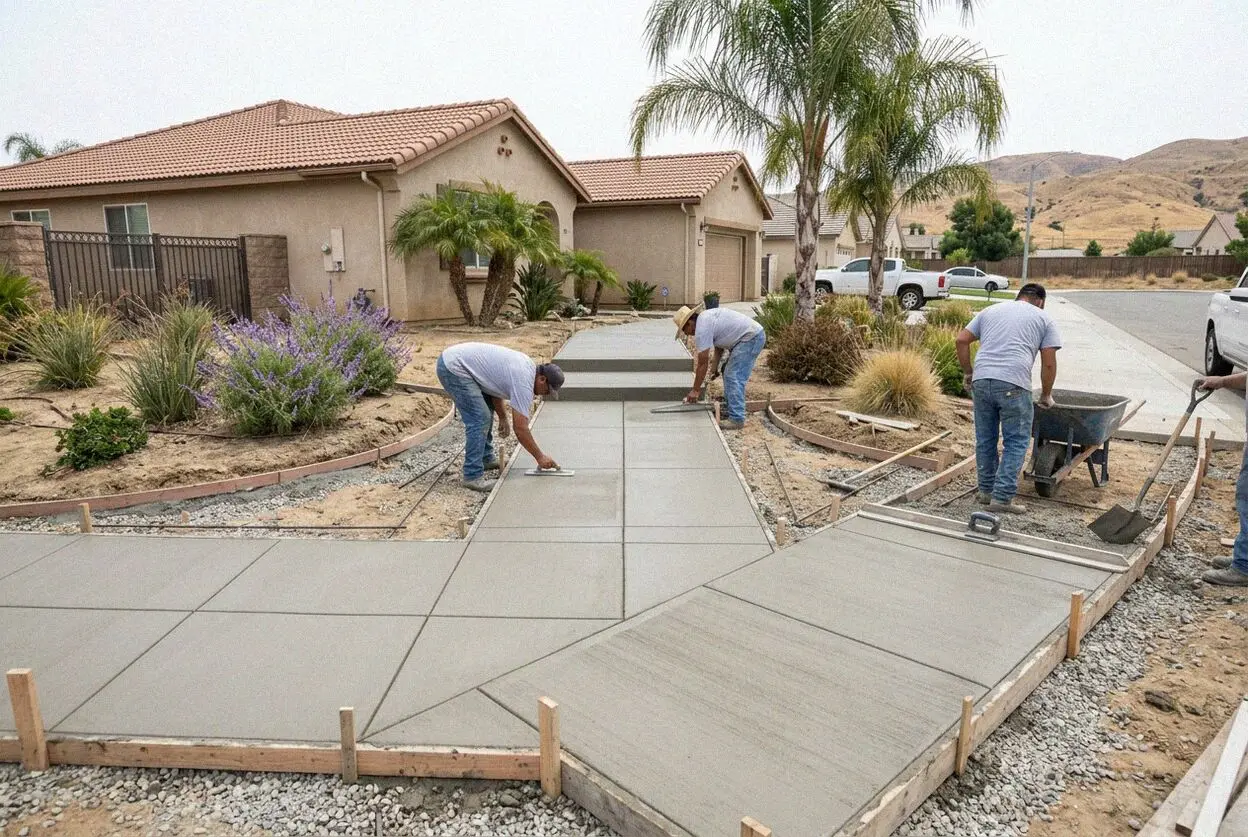
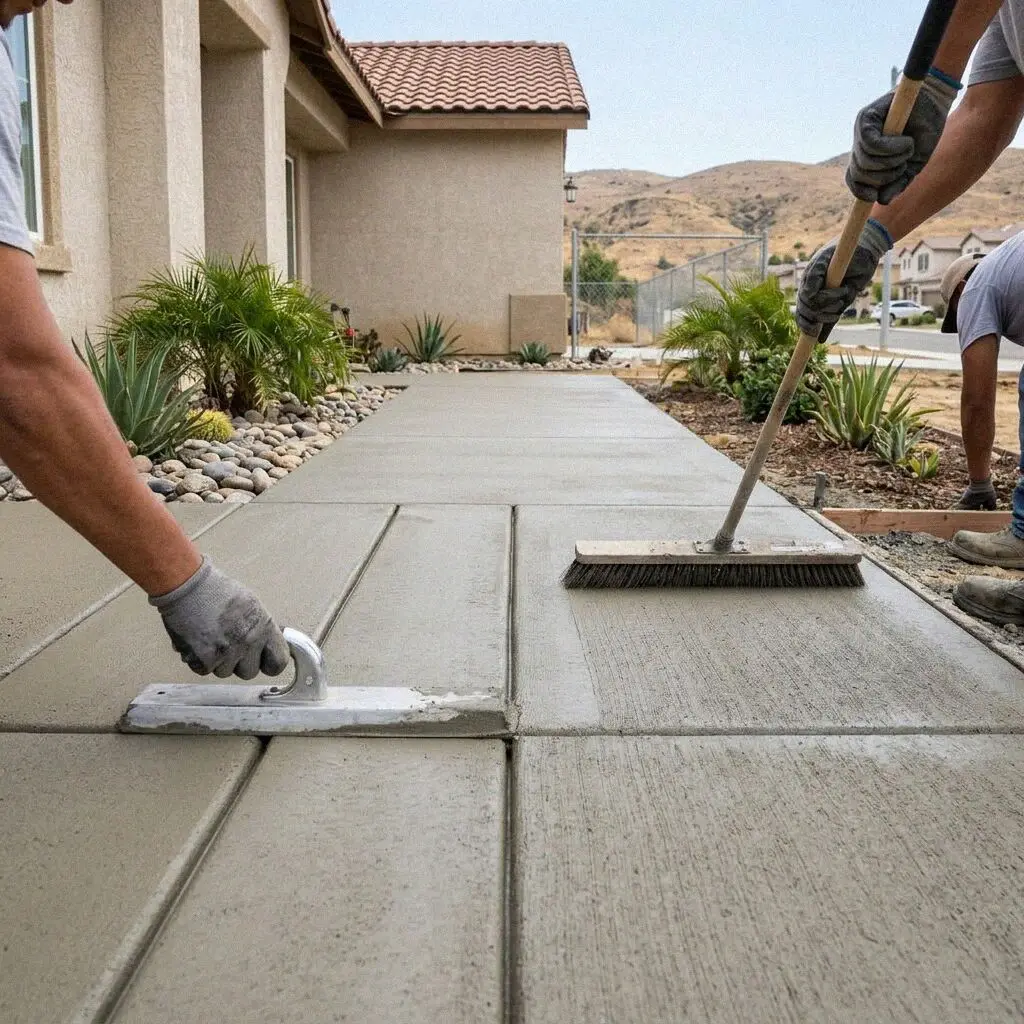
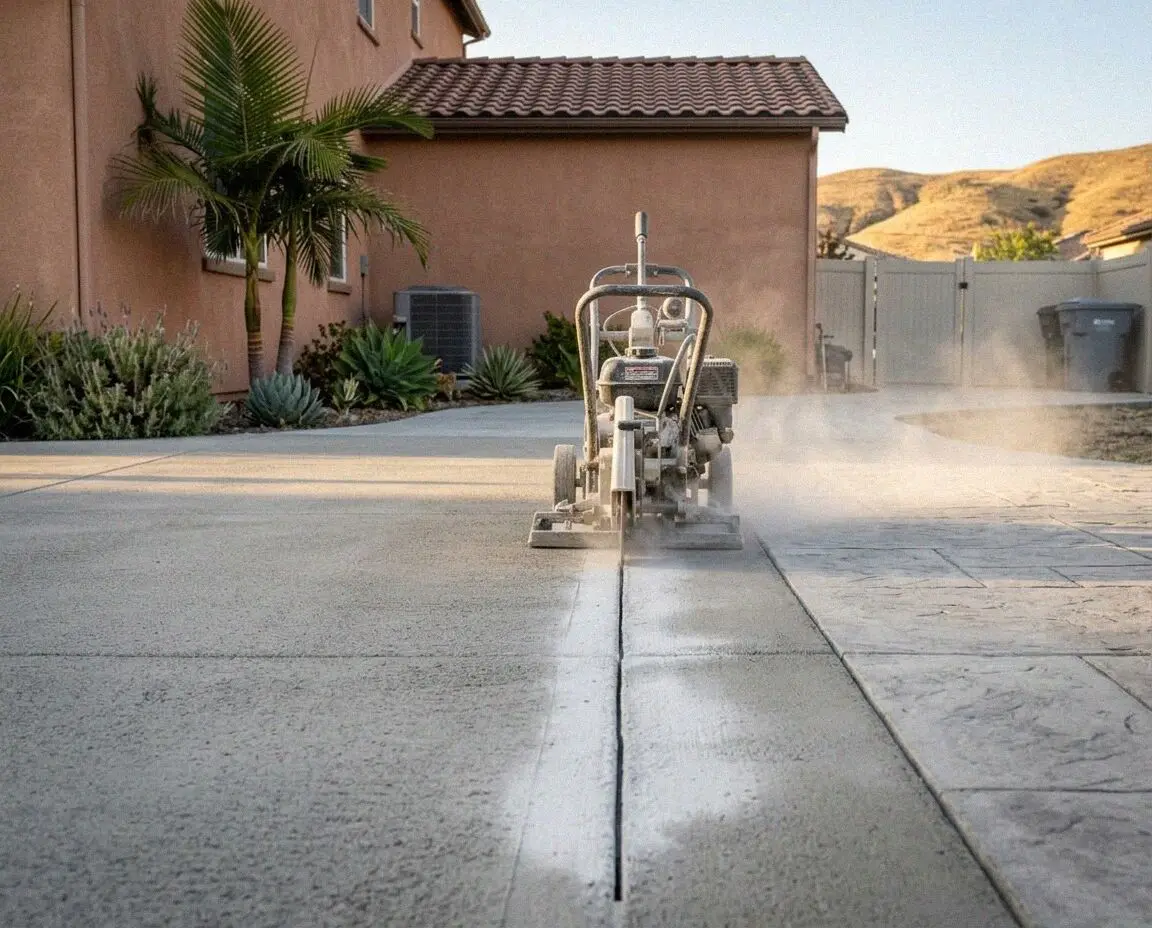
A new concrete sidewalk panel poured at a Jurupa Valley home
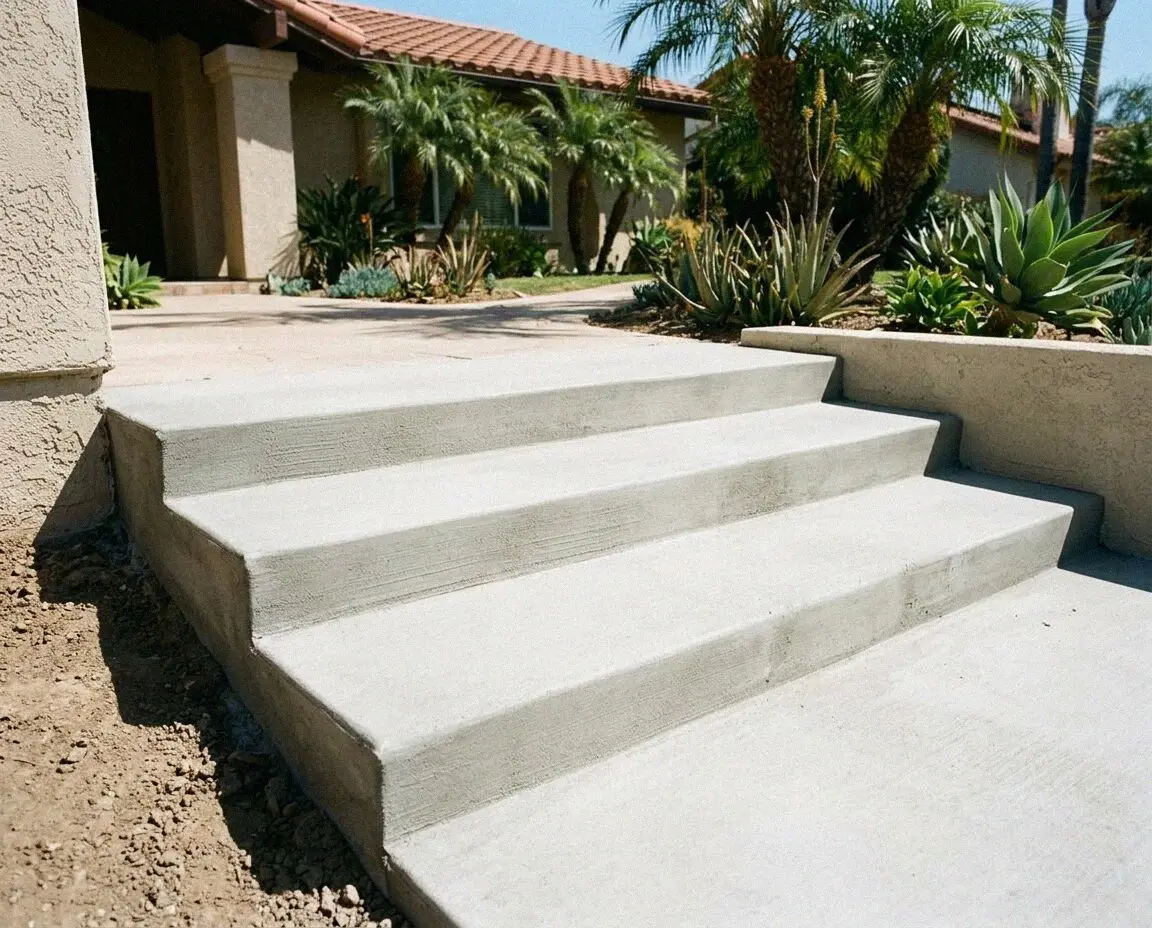
Crew finishing a new sidewalk run on a Glen Avon street

Walks on a young city's old streets

How a Jurupa Valley Sidewalk Gets Built or Put Back

Sidewalk work here starts with a question the older cities around us rarely ask: is there a walk at all? Jurupa Valley became a city in 2011, and the streets it inherited were subdivided to Riverside County standards years before that, when a graded shoulder counted as the way to walk. So one call is about a slab a tree has jacked up, and the next is about 60 feet of frontage that has never had concrete on it.

SkyVale Jurupa Valley Concrete was founded in 2025 by Daniel Reyes, who spent 12 years on Inland Empire flatwork crews first and sets the string line on every run himself. Either way the duty is yours: section 5610 of the California Streets and Highways Code puts keeping the fronting footway in repair on the owner of the property behind it, which is why a letter about a raised slab arrives at your door rather than at a city yard.

Walks go in under a CSLB C-8 concrete license with liability insurance on every job. Everything from the back of curb to your property line is public right of way, so the encroachment permit is taken out over the counter at the City of Jurupa Valley Public Works and Engineering Department on Limonite Avenue, a mile from the yard, and an inspector signs the run off before it opens. The finished walk carries a written workmanship guarantee against defects in how it was built.

When a walk has gone

What tells you a Jurupa Valley walk is finished?

A pepper tree at the joint

The 1950s blocks in Rubidoux and Glen Avon were planted with pepper and ash that are now decades into lifting what was poured beside them. Stand on the joint nearest a trunk: if one slab rides above the next, the root beneath it thickens every season and a grinder changes nothing.

A run that ends in dirt

County-era frontage often carries a short length of walk that stops dead at a graded shoulder, because it went in with a tract and was never carried on. A run ending in loose dirt puts a stroller or a wheelchair into the traffic lane, and it is the gap the city asks to close first.

Panels sitting below the curb

Out across the flats below the Pedley Hills the ground is deep sand, and a walk laid straight onto it drops rather than lifts. Once a slab sits low enough to hold standing water after a sprinkler cycle, the base has washed out from under it and the concrete is bridging the gap.

A trench patch gone hollow

Where a gas or water service was run under the frontage, the walk was cut and patched instead of repoured to its joints. Those patches sink first, because the trench under them was shovelled back loose, and the edges break into slivers that lift the moment a wheel crosses them.

Standard on every walk

Included on Every Sidewalk Run in Jurupa Valley

Eight things on every run, in the figure from the start rather than added once forms are set. Each answers what this city does to a walk: trees older than the streets, river sand on the flats, and a right of way laid out before there was a city inspecting it.

Saw cut on the joint

Failed slabs are cut square on their joint lines, so the sound concrete either side of them keeps its edge.

Root cutting by hand

Roots thicker than an inch are cut back clean on the tree side with a saw, never snapped out under a breaker.

A barrier at the trunk

A ribbed panel stood 24 inches down between trunk and walk, so the next root is turned downward instead of under.

Base built, not assumed

Class 2 base laid and plate compacted the full width, which out on the river flats is what stops a new slab dropping.

4 inches at 3,500 psi

Poured 4 inches deep in a 3,500 psi mix, and 6 inches with steel through it where a drive crosses the walk.

Cross fall under 2%

Read off a level before the forms come away, because under 2 percent is what the finished run is inspected against.

Joints cut at 5 feet

Control joints set at 5 feet to line through with whatever run already exists, and every edge tooled by hand.

Permit and sign-off

We take the encroachment permit out at the Limonite Avenue counter, meet the inspector and hand the guarantee over at the walk.

Frontage decisions

Four Answers to a Jurupa Valley Frontage

Four courses open to the ground between your lot line and the curb, set against how long each lasts, what it suits, what the city has to see and how long the frontage is fenced. Three put concrete on a prepared base; the fourth only takes the trip out.

OptionLastsWhat it suitsCity sign-offOn your frontage
A run built new30 to 40 yearsCounty frontage that never got a walkEncroachment permit, inspected at the forms2 to 3 days, then 7 to cure
Lifted slabs replaced30 to 40 yearsA tree that has jacked several panels upEncroachment permit and a closing inspection1 to 2 days, then 7 to cure
One slab cut outAs long as the run either sideA single panel gone in a frontage that reads flatEncroachment permit and a closing inspectionA morning, then 7 to cure
The step shaved downA season or two at a mature treeClearing a notice before a sale closesNone for a shave under an inchAn hour, walk on it at once

A shave buys the weeks between a notice and a closing date. On a block where the trees went in with the tract, the same step is back inside two summers.

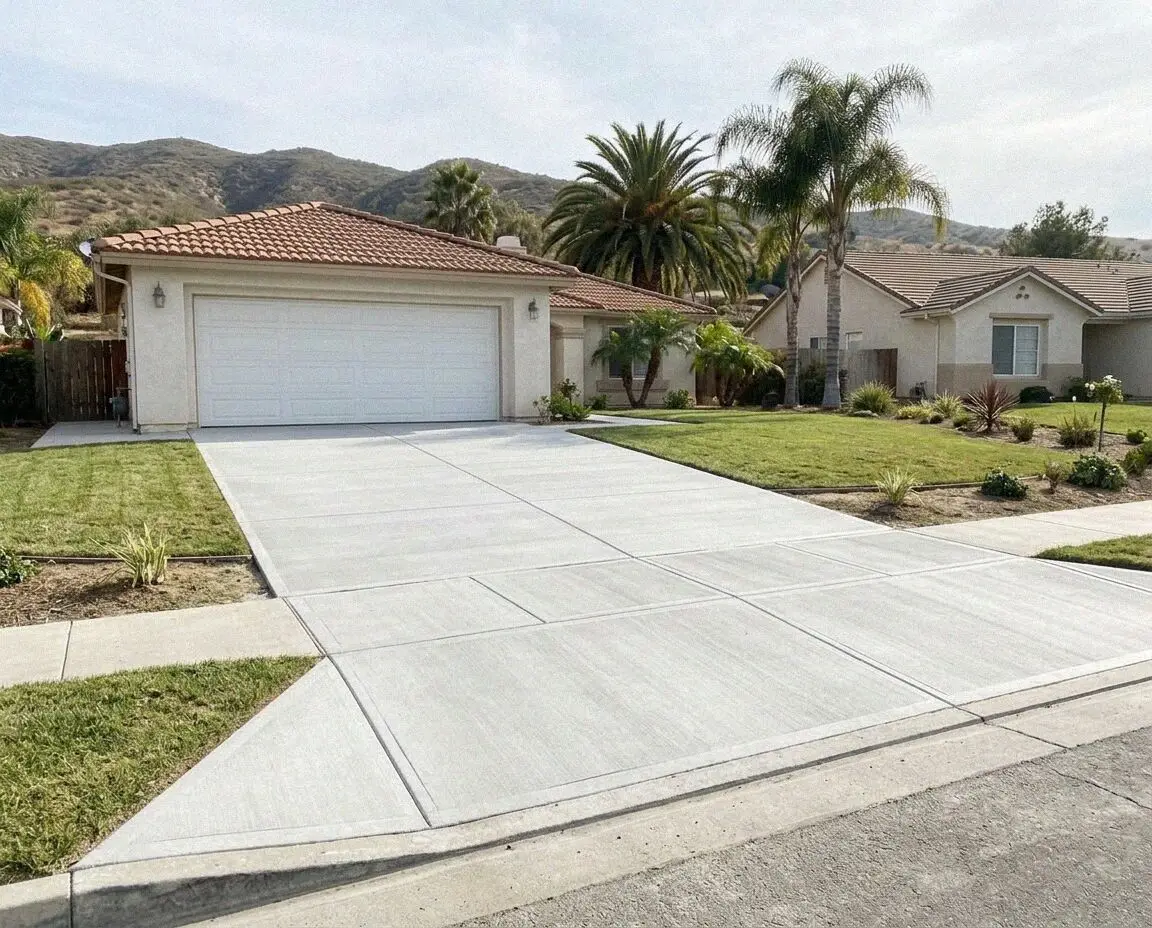
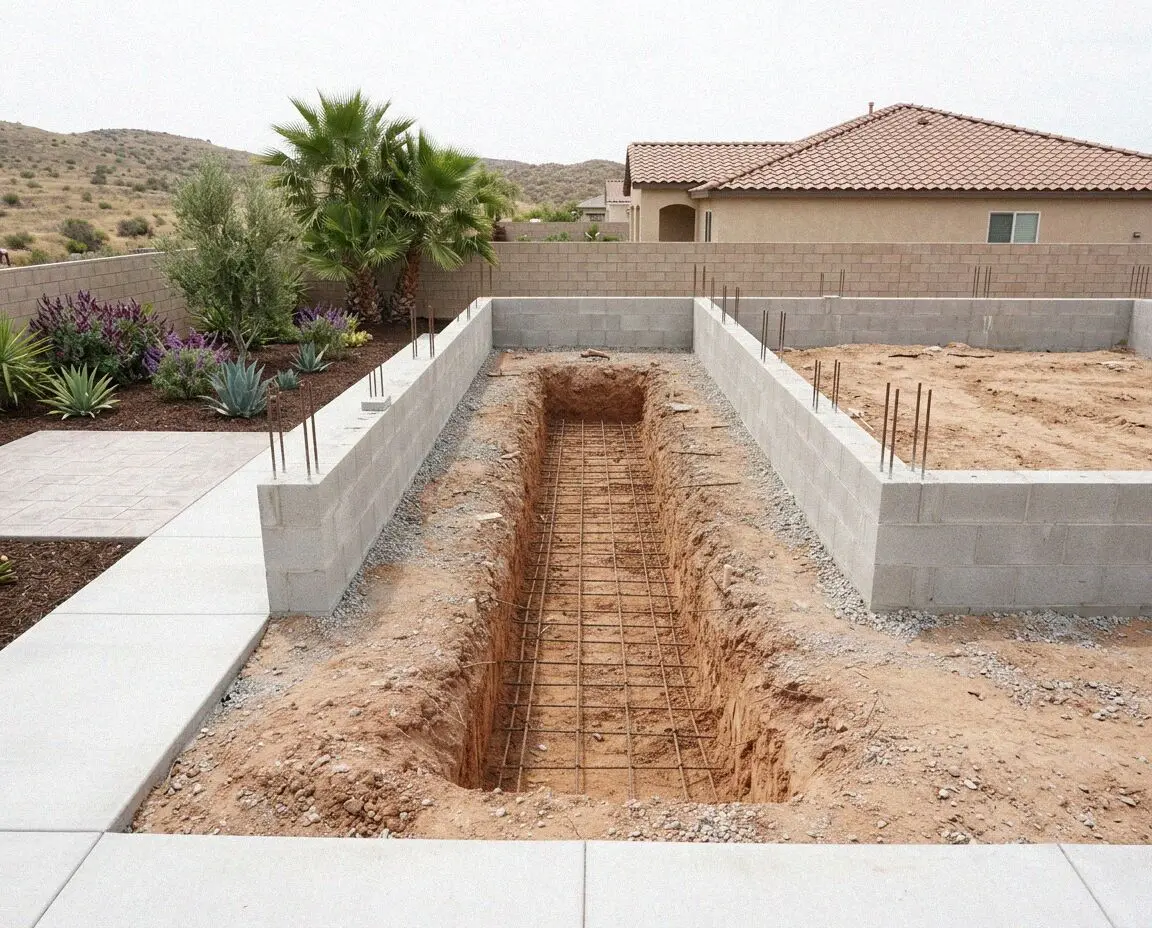
A new sidewalk run beside a mature pepper tree in Rubidoux

A city since 2011

Why Jurupa Valley Frontage Is Not Like Its Neighbours

Two things set the work apart here: a good deal of the older frontage was never given a walk at all, and where one does exist the trees standing beside it are older than the city.

Jurupa Valley incorporated in 2011, so Rubidoux, Glen Avon, Pedley and Mira Loma were laid out under Riverside County rules and built to them. Some tracts got a full walk behind the curb, some got one on a single side, and plenty of frontage got none, which is why a run here is often started rather than repaired. Where the concrete does exist it is the same age as the pepper and ash on the parkway, and those trees have had decades to find the damp band under four inches of slab.

The counter that issues the permit is Public Works and Engineering on Limonite Avenue, and the trip to it is ours. What comes back sets the width the run is built to, where it must tie into whatever walk the neighbours already have, and how the frontage is fenced and signed while it is open: a house on a school route is treated differently from one on a cul-de-sac. Where the crossing to a driveway falls inside the run, that section is formed deeper and inspected with the rest.


How the work runs

A Jurupa Valley Sidewalk, From Measure to Sign-Off

Five stages. The counter, the barricades and the inspection that closes the file are ours to handle rather than yours, and the only day you need to be at the house is the first one.

1

Measured at the frontage

Daniel Reyes walks the run, counts the slabs, measures what is missing and reads the fall toward the gutter with a level.

2

Permit over the counter

The encroachment application goes in on Limonite Avenue with the panel count and the working dates, and its conditions set the week.

3

Cut out or dug out

Slabs are sawn on the joint and lifted whole, or the shoulder is excavated where a new run is going in, and the spoil leaves that day.

4

Roots, barrier and base

Roots over an inch cut back and sealed, a barrier stood at the trunk, then Class 2 base in and plate compacted the full width.

5

Pour, cure and inspect

Poured early and broomed across the line of travel, joints cut inside 12 hours, then the inspector met and the guarantee handed over.

Where the figure comes from

What a Jurupa Valley Frontage Adds Up To

How much concrete is going down starts the figure, whether that is three slabs or a frontage that has never carried any. After that it is what stands beside the run and what the permit asks for. Every estimate is measured and written on site.

Slabs out or a run in

Replacing three panels is a day on the frontage. Pouring 60 feet that never had a walk is excavation, forms and base before that.

The tree on the parkway

A trunk inside 5 feet means hand digging, root cutting and a barrier, and the older Rubidoux blocks nearly always have one.

Tying into what exists

A new run has to meet the curb, the lot line and the neighbour's walk with no lip, and holding three grades at once takes forming time.

The driveway crossing

Where a drive crosses the walk that stretch goes in at 6 inches with steel, formed with a wing returned on either side of it.

Nothing is worked out off a satellite image. The visit costs nothing, the writing is done standing at your curb, and the permit fee shows as its own line. (951) 555-0159 or send us a message.

Ready to sort out the frontage?

Call the Limonite Avenue office or send the form and you hear back within 1 business day. Daniel Reyes counts what is there, marks out what is missing and leaves the figure in writing at your curb, with nothing owed if you decide against the work.

Request a Free Estimate

Written on site · No obligation

By submitting, you agree to our disclosure and consent terms, including being contacted by SkyVale Jurupa Valley Concrete.

From this year's jobs

Sidewalk Jobs in Jurupa Valley, in Their Words

One notice answered, one frontage given a walk for the first time and one trench patch put right, written up afterwards by the people who paid for them.

Google review

“The pepper tree out front had two slabs standing proud of the rest and the city had already left a notice about it. They cut the roots back, set a barrier in and put the pair back level with the run. That was last spring and a straight edge still reads flat across the joints.”

Alma S. of Jurupa ValleySidewalk panels replaced · Google · 2026
Facebook review

“Our side of the street never had a sidewalk, just dirt, and the children walked in the road to the bus stop. Daniel took the permit out himself, dug the shoulder down and poured 58 feet of it that ties into the neighbour's concrete without a lip anywhere along it.”

Trevor M. of Jurupa ValleyNew sidewalk run · Facebook · 2026
BBB review

“The gas company cut across our walk years ago and the patch they left had sunk far enough to hold water after the sprinklers. This crew took it out to the joints, rebuilt the base the trench had left loose and repoured it. Two winters on there is no dip in it.”

Bernice O. of Mira LomaTrench patch repoured · BBB · 2025

Asked at the curb

What Jurupa Valley Owners Ask About Walks

Who has to pay for it, what the permit takes, what happens on a street with no walk at all, and how soon the new concrete can be used.

(951) 555-0159
  • Who has to repair the sidewalk at my house?

    You do, even though the concrete itself is public. Section 5610 of the California Streets and Highways Code puts keeping the fronting footway in repair on the owner of the property behind it, so a notice about a raised slab is addressed to the household, not the city. What the city keeps is the say over how it goes back, because the width, the depth and the fall are set by Jurupa Valley and read at inspection.

  • Do I need a permit for sidewalk work here?

    For anything past your property line, yes. That ground is right of way, so cutting or pouring in it takes an encroachment permit from the city's Public Works and Engineering Department, taken out at the Limonite Avenue counter with an inspection at the end. A path inside your own front garden takes none of that. We fill in the application, carry the fee on the estimate and meet the inspector at the run.

  • My street has no sidewalk. Can one be built?

    Usually, yes, and it is common work here because these streets were laid out to county standards before the city existed. The frontage is surveyed off the curb and the lot line, the shoulder is dug out and compacted, and the new run is built to the width the city sets now so it can tie into whatever the neighbours have. It takes the same encroachment permit a replacement does.

  • Will the tree that lifted the walk have to go?

    Almost never. What lifts a slab is the feeder roots running flat in the damp band beneath it, and those are cut back to sound wood on the walk side and sealed, with a 24-inch barrier stood between trunk and concrete so the next one turns downward. The structural roots holding the tree up are left alone. A parkway tree is city property, so anything past root pruning is theirs to decide.

  • How flat does a new sidewalk have to be?

    The cross fall is held under 2 percent, a quarter of an inch in every foot toward the gutter, and the fall along the length simply follows the street. That figure is what keeps a wheelchair tracking straight rather than steering itself at the curb, and it is what the inspector reads. Forms are set off a level rather than off the old slab, which has usually moved.

  • How soon can we walk on the new concrete?

    The next day on foot. Joints are cut within 12 hours of the finish, curing compound goes down the same afternoon, and the barricades stay up for a full 24 hours. Keep bins, bikes and anything else on wheels off it for 7 days, and where a drive crosses the run give it 28 days before a loaded truck turns on that section.

  • Why has the patch across our walk sunk?

    Because the trench under it was backfilled loose. A utility cut is often closed with concrete laid straight onto spoil that was shovelled back rather than compacted in layers, and that ground carries on settling for years afterwards. Putting it right means opening the slab to its joints, taking the loose fill out and rebuilding the base before anything is poured over it.

  • What does the guarantee on a walk cover?

    You get a written workmanship guarantee against defects in how it was built. It covers the depth poured, the base compacted, the joints cut and the fall the forms were set to, and the terms are printed on the estimate before you sign it. Outside it sit a slab a vehicle has been driven across where there is no crossing, and a lift from a tree the city plants after the concrete went down.

Where we pour walks

Sidewalk Work Around Jurupa Valley

The nearest towns to the Limonite Avenue yard, with the straight-line distance to each beside it. Every one of them keeps its own permit counter and its own sidewalk detail, and we file with whichever the frontage sits in.

Show All Areas We Serve

Get your Jurupa Valley frontage measured

Send the form or call the Limonite Avenue office and someone rings back within 1 business day. Say whether there is a walk out there now and whether a tree stands on the run, and the visit can usually be set for the same week.